
Stotram
Shiva Mahimna Stotram | शिवमहिम्नःस्तोत्रम्
Original · संस्कृतम्
Shiva Mahimna Stotram Sanskrit Lyrics
महिम्नः पारं ते परमविदुषो यद्यसदृशी स्तुतिर्ब्रह्मादीनामपि तदवसन्नास्त्वयि गिरः । अथावाच्यः सर्वः स्वमतिपरिणामावधि गृणन् ममाप्येष स्तोत्रे हर निरपवादः परिकरः ॥१॥ अतीतः पन्थानं तव च महिमा वाङ्मनसयो- रतद्व्यावृत्त्या यं चकितमभिधत्ते श्रुतिरपि । स कस्य स्तोतव्यः कतिविधगुणः कस्य विषयः पदे त्वर्वाचीने पतति न मनः कस्य न वचः ॥२॥ मधुस्फीता वाचः परमममृतं निर्मितवत- स्तव ब्रह्मन् किं वागपि सुरगुरोर्विस्मयपदम् । मम त्वेतां वाणीं गुणकथनपुण्येन भवतः पुनामीत्यर्थेऽस्मिन् पुरमथन बुद्धिर्व्यवसिता ॥३॥ तवैश्वर्यं यत्तज्जगदुदयरक्षाप्रलयकृत् त्रयीवस्तु व्यस्तं तिसृषु गुणभिन्नासु तनुषु । अभव्यानामस्मिन् वरद रमणीयामरमणीं विहन्तुं व्याक्रोशीं विदधत इहैके जडधियः ॥४॥ किमीहः किंकायः स खलु किमुपायस्त्रिभुवनं किमाधारो धाता सृजति किमुपादान इति च । अतर्क्यैश्वर्ये त्वय्यनवसरदुःस्थो हतधियः कुतर्कोऽयं कांश्चिन्मुखरयति मोहाय जगतः ॥५॥ अजन्मानो लोकाः किमवयववन्तोऽपि जगता- मधिष्ठातारं किं भवविधिरनादृत्य भवति । अनीशो वा कुर्याद्भुवनजनने कः परिकरो यतो मन्दास्त्वां प्रत्यमरवर संशेरत इमे ॥६॥ त्रयी साङ्ख्यं योगः पशुपतिमतं वैष्णवमिति प्रभिन्ने प्रस्थाने परमिदमदः पथ्यमिति च । रुचीनां वैचित्र्यादृजुकुटिलनानापथजुषां नृणामेको गम्यस्त्वमसि पयसामर्णव इव ॥७॥ महोक्षः खट्वाङ्गं परशुरजिनं भस्म फणिनः कपालं चेतीयत्तव वरद तन्त्रोपकरणम् । सुरास्तां तामृद्धिं दधति तु भवद्भ्रूप्रणिहितां न हि स्वात्मारामं विषयमृगतृष्णा भ्रमयति ॥८॥ ध्रुवं कश्चित् सर्वं सकलमपरस्त्वध्रुवमिदं परो ध्रौव्याध्रौव्ये जगति गदति व्यस्तविषये । समस्तेऽप्येतस्मिन् पुरमथन तैर्विस्मित इव स्तुवञ्जिह्रेमि त्वां न खलु ननु धृष्टा मुखरता ॥९॥ तवैश्वर्यं यत्नाद्यदुपरि विरिञ्चिर्हरिरधः परिच्छेत्तुं यातावनलमनलस्कन्धवपुषः । ततो भक्तिश्रद्धाभरगुरुगृणद्भ्यां गिरिश यत् स्वयं तस्थे ताभ्यां तव किमनुवृत्तिर्न फलति ॥१०॥ अयत्नादापाद्य त्रिभुवनमवैरव्यतिकरं दशास्यो यद्बाहूनभृत रणकण्डूपरवशान् । शिरःपद्मश्रेणीरचितचरणाम्भोरुहबलेः स्थिरायास्त्वद्भक्तेस्त्रिपुरहर विस्फूर्जितमिदम् ॥११॥ अमुष्य त्वत्सेवासमधिगतसारं भुजवनं बलात् कैलासेऽपि त्वदधिवसतौ विक्रमयतः । अलभ्या पातालेऽप्यलसचलिताङ्गुष्ठशिरसि प्रतिष्ठा त्वय्यासीद्ध्रुवमुपचितो मुह्यति खलः ॥१२॥ यदृद्धिं सुत्राम्णो वरद परमोच्चैरपि सती- मधश्चक्रे बाणः परिजनविधेयत्रिभुवनः । न तच्चित्रं तस्मिन् वरिवसितरि त्वच्चरणयो- र्न कस्याप्युन्नत्यै भवति शिरसस्त्वय्यवनतिः ॥१३॥ अकाण्डब्रह्माण्डक्षयचकितदेवासुरकृपा- विधेयस्यासीद्यस्त्रिनयन विषं संहृतवतः । स कल्माषः कण्ठे तव न कुरुते न श्रियमहो विकारोऽपि श्लाघ्यो भुवनभयभङ्गव्यसनिनः ॥१४॥ असिद्धार्था नैव क्वचिदपि सदेवासुरनरे निवर्तन्ते नित्यं जगति जयिनो यस्य विशिखाः । स पश्यन्नीश त्वामितरसुरसाधारणमभूत् स्मरः स्मर्तव्यात्मा न हि वशिषु पथ्यः परिभवः ॥१५॥ मही पादाघाताद्व्रजति सहसा संशयपदं पदं विष्णोर्भ्राम्यद्भुजपरिघरुग्णग्रहगणम् । मुहुर्द्यौर्दौस्थ्यं यात्यनिभृतजटाताडिततटा जगद्रक्षायै त्वं नटसि ननु वामैव विभुता ॥१६॥ वियद्व्यापी तारागणगुणितफेनोद्गमरुचिः प्रवाहो वारां यः पृषतलघुदृष्टः शिरसि ते । जगद्द्वीपाकारं जलधिवलयं तेन कृतमि- त्यनेनैवोन्नेयं धृतमहिम दिव्यं तव वपुः ॥१७॥ रथः क्षोणी यन्ता शतधृतिरगेन्द्रो धनुरथो रथाङ्गे चन्द्रार्कौ रथचरणपाणिः शर इति । दिधक्षोस्ते कोऽयं त्रिपुरतृणमाडम्बरविधि- र्विधेयैः क्रीडन्त्यो न खलु परतन्त्राः प्रभुधियः ॥१८॥ हरिस्ते साहस्रं कमलबलिमाधाय पदयो- र्यदेकोने तस्मिन् निजमुदहरन्नेत्रकमलम् । गतो भक्त्युद्रेकः परिणतिमसौ चक्रवपुषा त्रयाणां रक्षायै त्रिपुरहर जागर्ति जगताम् ॥१९॥ क्रतौ सुप्ते जाग्रत्त्वमसि फलयोगे क्रतुमतां क्व कर्म प्रध्वस्तं फलति पुरुषाराधनमृते । अतस्त्वां सम्प्रेक्ष्य क्रतुषु फलदानप्रतिभुवं श्रुतौ श्रद्धां बद्ध्वा दृढपरिकरः कर्मसु जनः ॥२०॥ क्रियादक्षो दक्षः क्रतुपतिरधीशस्तनुभृता- मृषीणामार्त्विज्यं शरणद सदस्याः सुरगणाः । क्रतुभ्रेषस्त्वत्तः क्रतुफलविधानव्यसनिनो ध्रुवं कर्तुः श्रद्धाविधुरमभिचाराय हि मखाः ॥२१॥ प्रजानाथं नाथ प्रसभमभिकं स्वां दुहितरं गतं रोहिद्भूतां रिरमयिषुमृष्यस्य वपुषा । धनुष्पाणेर्यातं दिवमपि सपत्राकृतममुं त्रसन्तं तेऽद्यापि त्यजति न मृगव्याधरभसः ॥२२॥ स्वलावण्याशंसाधृतधनुषमह्नाय तृणवत् पुरः प्लुष्टं दृष्ट्वा पुरमथन पुष्पायुधमपि । यदि स्त्रैणं देवी यमनिरतदेहार्धघटना- दवैति त्वामद्धा बत वरद मुग्धा युवतयः ॥२३॥ श्मशानेष्वाक्रीडा स्मरहर पिशाचाः सहचरा- श्चिताभस्मालेपः स्रगपि नृकरोटीपरिकरः । अमङ्गल्यं शीलं तव भवतु नामैवमखिलं तथापि स्मर्तॄणां वरद परमं मङ्गलमसि ॥२४॥ मनः प्रत्यक्चित्ते सविधमवधायात्तमरुतः प्रहृष्यद्रोमाणः प्रमदसलिलोत्सङ्गतिदृशः । यदालोक्याह्लादं ह्रद इव निमज्यामृतमये दधत्यन्तस्तत्त्वं किमपि यमिनस्तत्किल भवान् ॥२५॥ त्वमर्कस्त्वं सोमस्त्वमसि पवनस्त्वं हुतवह- स्त्वमापस्त्वं व्योम त्वमु धरणिरात्मा त्वमिति च । परिच्छिन्नामेवं त्वयि परिणता बिभ्रति गिरं न विद्मस्तत्तत्त्वं वयमिह तु यत्त्वं न भवसि ॥२६॥ त्रयीं तिस्रो वृत्तीस्त्रिभुवनमथो त्रीनपि सुरा- नकाराद्यैर्वर्णैस्त्रिभिरभिदधत् तीर्णविकृति । तुरीयं ते धाम ध्वनिभिरवरुन्धानमणुभिः समस्तं व्यस्तं त्वां शरणद गृणात्योमिति पदम् ॥२७॥ भवः शर्वो रुद्रः पशुपतिरथोग्रः सहमहां- स्तथा भीमेशानाविति यदभिधानाष्टकमिदम् । अमुष्मिन् प्रत्येकं प्रविचरति देव श्रुतिरपि प्रियायास्मै धाम्ने प्रणिहितनमस्योऽस्मि भवते ॥२८॥ नमो नेदिष्ठाय प्रियदव दविष्ठाय च नमो नमः क्षोदिष्ठाय स्मरहर महिष्ठाय च नमः । नमो वर्षिष्ठाय त्रिनयन यविष्ठाय च नमो नमः सर्वस्मै ते तदिदमिति सर्वाय च नमः ॥२९॥ बहुलरजसे विश्वोत्पत्तौ भवाय नमो नमः प्रबलतमसे तत्संहारे हराय नमो नमः । जनसुखकृते सत्त्वोद्रिक्तौ मृडाय नमो नमः प्रमहसि पदे निस्त्रैगुण्ये शिवाय नमो नमः ॥३०॥ कृशपरिणति चेतः क्लेशवश्यं क्व चेदं क्व च तव गुणसीमोल्लङ्घिनी शश्वदृद्धिः । इति चकितममन्दीकृत्य मां भक्तिराधा- द्वरद चरणयोस्ते वाक्यपुष्पोपहारम् ॥३१॥ असितगिरिसमं स्यात्कज्जलं सिन्धुपात्रे सुरतरुवरशाखा लेखनी पत्रमुर्वी । लिखति यदि गृहीत्वा शारदा सर्वकालं तदपि तव गुणानामीश पारं न याति ॥३२॥ असुरसुरमुनीन्द्रैरर्चितस्येन्दुमौले- र्ग्रथितगुणमहिम्नो निर्गुणस्येश्वरस्य । सकलगुणवरिष्ठः पुष्पदन्ताभिधानो रुचिरमलघुवृत्तैः स्तोत्रमेतच्चकार ॥३३॥ अहरहरनवद्यं धूर्जटेः स्तोत्रमेतत् पठति परमभक्त्या शुद्धचित्तः पुमान्यः । स भवति शिवलोके रुद्रतुल्यस्तथात्र प्रचुरतरधनायुः पुत्रवान्कीर्तिमांश्च ॥३४॥ महेशान्नापरो देवो महिम्नो नापरा स्तुतिः । अघोरान्नापरो मन्त्रो नास्ति तत्त्वं गुरोः परम् ॥३५॥ दीक्षा दानं तपस्तीर्थं ज्ञानं यागादिकाः क्रियाः । महिम्नः स्तवपाठस्य कलां नार्हन्ति षोडशीम् ॥३६॥ कुसुमदशननामा सर्वगन्धर्वराजः शशिधरवरमौलेर्देवदेवस्य दासः । स खलु निजमहिम्नो भ्रष्ट एवास्य रोषात् स्तवनमिदमकार्षीद्दिव्यदिव्यं महिम्नः ॥३७॥ सुरवरमुनिपूज्यं स्वर्गमोक्षैकहेतुं पठति यदि मनुष्यः प्राञ्जलिर्नान्यचेताः । व्रजति शिवसमीपं किन्नरैः स्तूयमानः स्तवनमिदममोघं पुष्पदन्तप्रणीतम् ॥३८॥ आसमाप्तमिदं स्तोत्रं पुण्यं गन्धर्वभाषितम् । अनौपम्यं मनोहारि शिवमीश्वरवर्णनम् ॥३९॥ इत्येषा वाङ्मयी पूजा श्रीमच्छङ्करपादयोः । अर्पिता तेन देवेशः प्रीयतां मे सदाशिवः ॥४०॥ तव तत्त्वं न जानामि कीदृशोऽसि महेश्वर । यादृशोऽसि महादेव तादृशाय नमो नमः ॥४१॥ एककालं द्विकालं वा त्रिकालं यः पठेन्नरः । सर्वपापविनिर्मुक्तः शिवलोके महीयते ॥४२॥ श्रीपुष्पदन्तमुखपङ्कजनिर्गतेन स्तोत्रेण किल्बिषहरेण हरप्रियेण । कण्ठस्थितेन पठितेन समाहितेन सुप्रीणितो भवति भूतपतिर्महेशः ॥४३॥
Transliteration
Shiva Mahimna Stotram English Lyrics
mahimnaḥ pāraṃ te paramaviduṣo yadyasadṛśī stutirbrahmādīnāmapi tadavasannāstvayi giraḥ | athāvācyaḥ sarvaḥ svamatipariṇāmāvadhi gṛṇan mamāpyeṣa stotre hara nirapavādaḥ parikaraḥ ||1|| atītaḥ panthānaṃ tava ca mahimā vāṅmanasayo- ratadvyāvṛttyā yaṃ cakitamabhidhatte śrutirapi | sa kasya stotavyaḥ katividhaguṇaḥ kasya viṣayaḥ pade tvarvācīne patati na manaḥ kasya na vacaḥ ||2|| madhusphītā vācaḥ paramamamṛtaṃ nirmitavata- stava brahman kiṃ vāgapi suragurorvismayapadam | mama tvetāṃ vāṇīṃ guṇakathanapuṇyena bhavataḥ punāmītyarthe'smin puramathana buddhirvyavasitā ||3|| tavaiśvaryaṃ yattajjagadudayarakṣāpralayakṛt trayīvastu vyastaṃ tisṛṣu guṇabhinnāsu tanuṣu | abhavyānāmasmin varada ramaṇīyāmaramaṇīṃ vihantuṃ vyākrośīṃ vidadhata ihaike jaḍadhiyaḥ ||4|| kimīhaḥ kiṃkāyaḥ sa khalu kimupāyastribhuvanaṃ kimādhāro dhātā sṛjati kimupādāna iti ca | atarkyaiśvarye tvayyanavasaraduḥstho hatadhiyaḥ kutarko'yaṃ kāṃścinmukharayati mohāya jagataḥ ||5|| ajanmāno lokāḥ kimavayavavanto'pi jagatā- madhiṣṭhātāraṃ kiṃ bhavavidhiranādṛtya bhavati | anīśo vā kuryādbhuvanajanane kaḥ parikaro yato mandāstvāṃ pratyamaravara saṃśerata ime ||6|| trayī sāṅkhyaṃ yogaḥ paśupatimataṃ vaiṣṇavamiti prabhinne prasthāne paramidamadaḥ pathyamiti ca | rucīnāṃ vaicitryādṛjukuṭilanānāpathajuṣāṃ nṛṇāmeko gamyastvamasi payasāmarṇava iva ||7|| mahokṣaḥ khaṭvāṅgaṃ paraśurajinaṃ bhasma phaṇinaḥ kapālaṃ cetīyattava varada tantropakaraṇam | surāstāṃ tāmṛddhiṃ dadhati tu bhavadbhrūpraṇihitāṃ na hi svātmārāmaṃ viṣayamṛgatṛṣṇā bhramayati ||8|| dhruvaṃ kaścit sarvaṃ sakalamaparastvadhruvamidaṃ paro dhrauvyādhrauvye jagati gadati vyastaviṣaye | samaste'pyetasmin puramathana tairvismita iva stuvañjihremi tvāṃ na khalu nanu dhṛṣṭā mukharatā ||9|| tavaiśvaryaṃ yatnādyadupari viriñcirhariradhaḥ paricchettuṃ yātāvanalamanalaskandhavapuṣaḥ | tato bhaktiśraddhābharagurugṛṇadbhyāṃ giriśa yat svayaṃ tasthe tābhyāṃ tava kimanuvṛttirna phalati ||10|| ayatnādāpādya tribhuvanamavairavyatikaraṃ daśāsyo yadbāhūnabhṛta raṇakaṇḍūparavaśān | śiraḥpadmaśreṇīracitacaraṇāmbhoruhabaleḥ sthirāyāstvadbhaktestripurahara visphūrjitamidam ||11|| amuṣya tvatsevāsamadhigatasāraṃ bhujavanaṃ balāt kailāse'pi tvadadhivasatau vikramayataḥ | alabhyā pātāle'pyalasacalitāṅguṣṭhaśirasi pratiṣṭhā tvayyāsīddhruvamupacito muhyati khalaḥ ||12|| yadṛddhiṃ sutrāmṇo varada paramoccairapi satī- madhaścakre bāṇaḥ parijanavidheyatribhuvanaḥ | na taccitraṃ tasmin varivasitari tvaccaraṇayo- rna kasyāpyunnatyai bhavati śirasastvayyavanatiḥ ||13|| akāṇḍabrahmāṇḍakṣayacakitadevāsurakṛpā- vidheyasyāsīdyastrinayana viṣaṃ saṃhṛtavataḥ | sa kalmāṣaḥ kaṇṭhe tava na kurute na śriyamaho vikāro'pi ślāghyo bhuvanabhayabhaṅgavyasaninaḥ ||14|| asiddhārthā naiva kvacidapi sadevāsuranare nivartante nityaṃ jagati jayino yasya viśikhāḥ | sa paśyannīśa tvāmitarasurasādhāraṇamabhūt smaraḥ smartavyātmā na hi vaśiṣu pathyaḥ paribhavaḥ ||15|| mahī pādāghātādvrajati sahasā saṃśayapadaṃ padaṃ viṣṇorbhrāmyadbhujaparigharugṇagrahagaṇam | muhurdyaurdausthyaṃ yātyanibhṛtajaṭātāḍitataṭā jagadrakṣāyai tvaṃ naṭasi nanu vāmaiva vibhutā ||16|| viyadvyāpī tārāgaṇaguṇitaphenodgamaruciḥ pravāho vārāṃ yaḥ pṛṣatalaghudṛṣṭaḥ śirasi te | jagaddvīpākāraṃ jaladhivalayaṃ tena kṛtami- tyanenaivonneyaṃ dhṛtamahima divyaṃ tava vapuḥ ||17|| rathaḥ kṣoṇī yantā śatadhṛtiragendro dhanuratho rathāṅge candrārkau rathacaraṇapāṇiḥ śara iti | didhakṣoste ko'yaṃ tripuratṛṇamāḍambaravidhi- rvidheyaiḥ krīḍantyo na khalu paratantrāḥ prabhudhiyaḥ ||18|| hariste sāhasraṃ kamalabalimādhāya padayo- ryadekone tasmin nijamudaharannetrakamalam | gato bhaktyudrekaḥ pariṇatimasau cakravapuṣā trayāṇāṃ rakṣāyai tripurahara jāgarti jagatām ||19|| kratau supte jāgrattvamasi phalayoge kratumatāṃ kva karma pradhvastaṃ phalati puruṣārādhanamṛte | atastvāṃ samprekṣya kratuṣu phaladānapratibhuvaṃ śrutau śraddhāṃ baddhvā dṛḍhaparikaraḥ karmasu janaḥ ||20|| kriyādakṣo dakṣaḥ kratupatiradhīśastanubhṛtā- mṛṣīṇāmārtvijyaṃ śaraṇada sadasyāḥ suragaṇāḥ | kratubhreṣastvattaḥ kratuphalavidhānavyasanino dhruvaṃ kartuḥ śraddhāvidhuramabhicārāya hi makhāḥ ||21|| prajānāthaṃ nātha prasabhamabhikaṃ svāṃ duhitaraṃ gataṃ rohidbhūtāṃ riramayiṣumṛṣyasya vapuṣā | dhanuṣpāṇeryātaṃ divamapi sapatrākṛtamamuṃ trasantaṃ te'dyāpi tyajati na mṛgavyādharabhasaḥ ||22|| svalāvaṇyāśaṃsādhṛtadhanuṣamahnāya tṛṇavat puraḥ pluṣṭaṃ dṛṣṭvā puramathana puṣpāyudhamapi | yadi straiṇaṃ devī yamaniratadehārdhaghaṭanā- davaiti tvāmaddhā bata varada mugdhā yuvatayaḥ ||23|| śmaśāneṣvākrīḍā smarahara piśācāḥ sahacarā- ścitābhasmālepaḥ sragapi nṛkaroṭīparikaraḥ | amaṅgalyaṃ śīlaṃ tava bhavatu nāmaivamakhilaṃ tathāpi smartṝṇāṃ varada paramaṃ maṅgalamasi ||24|| manaḥ pratyakcitte savidhamavadhāyāttamarutaḥ prahṛṣyadromāṇaḥ pramadasalilotsaṅgatidṛśaḥ | yadālokyāhlādaṃ hrada iva nimajyāmṛtamaye dadhatyantastattvaṃ kimapi yaminastatkila bhavān ||25|| tvamarkastvaṃ somastvamasi pavanastvaṃ hutavaha- stvamāpastvaṃ vyoma tvamu dharaṇirātmā tvamiti ca | paricchinnāmevaṃ tvayi pariṇatā bibhrati giraṃ na vidmastattattvaṃ vayamiha tu yattvaṃ na bhavasi ||26|| trayīṃ tisro vṛttīstribhuvanamatho trīnapi surā- nakārādyairvarṇaistribhirabhidadhat tīrṇavikṛti | turīyaṃ te dhāma dhvanibhiravarundhānamaṇubhiḥ samastaṃ vyastaṃ tvāṃ śaraṇada gṛṇātyomiti padam ||27|| bhavaḥ śarvo rudraḥ paśupatirathograḥ sahamahāṃ- stathā bhīmeśānāviti yadabhidhānāṣṭakamidam | amuṣmin pratyekaṃ pravicarati deva śrutirapi priyāyāsmai dhāmne praṇihitanamasyo'smi bhavate ||28|| namo nediṣṭhāya priyadava daviṣṭhāya ca namo namaḥ kṣodiṣṭhāya smarahara mahiṣṭhāya ca namaḥ | namo varṣiṣṭhāya trinayana yaviṣṭhāya ca namo namaḥ sarvasmai te tadidamiti sarvāya ca namaḥ ||29|| bahularajase viśvotpattau bhavāya namo namaḥ prabalatamase tatsaṃhāre harāya namo namaḥ | janasukhakṛte sattvodriktau mṛḍāya namo namaḥ pramahasi pade nistraiguṇye śivāya namo namaḥ ||30|| kṛśapariṇati cetaḥ kleśavaśyaṃ kva cedaṃ kva ca tava guṇasīmollaṅghinī śaśvadṛddhiḥ | iti cakitamamandīkṛtya māṃ bhaktirādhā- dvarada caraṇayoste vākyapuṣpopahāram ||31|| asitagirisamaṃ syātkajjalaṃ sindhupātre surataruvaraśākhā lekhanī patramurvī | likhati yadi gṛhītvā śāradā sarvakālaṃ tadapi tava guṇānāmīśa pāraṃ na yāti ||32|| asurasuramunīndrairarcitasyendumaule- rgrathitaguṇamahimno nirguṇasyeśvarasya | sakalaguṇavariṣṭhaḥ puṣpadantābhidhāno ruciramalaghuvṛttaiḥ stotrametaccakāra ||33|| aharaharanavadyaṃ dhūrjaṭeḥ stotrametat paṭhati paramabhaktyā śuddhacittaḥ pumānyaḥ | sa bhavati śivaloke rudratulyastathātra pracurataradhanāyuḥ putravānkīrtimāṃśca ||34|| maheśānnāparo devo mahimno nāparā stutiḥ | aghorānnāparo mantro nāsti tattvaṃ guroḥ param ||35|| dīkṣā dānaṃ tapastīrthaṃ jñānaṃ yāgādikāḥ kriyāḥ | mahimnaḥ stavapāṭhasya kalāṃ nārhanti ṣoḍaśīm ||36|| kusumadaśananāmā sarvagandharvarājaḥ śaśidharavaramaulerdevadevasya dāsaḥ | sa khalu nijamahimno bhraṣṭa evāsya roṣāt stavanamidamakārṣīddivyadivyaṃ mahimnaḥ ||37|| suravaramunipūjyaṃ svargamokṣaikahetuṃ paṭhati yadi manuṣyaḥ prāñjalirnānyacetāḥ | vrajati śivasamīpaṃ kinnaraiḥ stūyamānaḥ stavanamidamamoghaṃ puṣpadantapraṇītam ||38|| āsamāptamidaṃ stotraṃ puṇyaṃ gandharvabhāṣitam | anaupamyaṃ manohāri śivamīśvaravarṇanam ||39|| ityeṣā vāṅmayī pūjā śrīmacchaṅkarapādayoḥ | arpitā tena deveśaḥ prīyatāṃ me sadāśivaḥ ||40|| tava tattvaṃ na jānāmi kīdṛśo'si maheśvara | yādṛśo'si mahādeva tādṛśāya namo namaḥ ||41|| ekakālaṃ dvikālaṃ vā trikālaṃ yaḥ paṭhennaraḥ | sarvapāpavinirmuktaḥ śivaloke mahīyate ||42|| śrīpuṣpadantamukhapaṅkajanirgatena stotreṇa kilbiṣahareṇa harapriyeṇa | kaṇṭhasthitena paṭhitena samāhitena suprīṇito bhavati bhūtapatirmaheśaḥ ||43||
Meaning
Shiva Mahimna Stotram English Meaning
O Hara, if praise from one who does not know the full extent of your greatness is unworthy of you, then even the words of Brahma and the other gods fall short before you. So no one is to blame who praises you as far as his own understanding reaches, and this attempt of mine at a hymn is likewise beyond reproach. Your greatness lies beyond the path of speech and mind; even the Veda speaks of it only in awe, by saying what it is not. Who then can praise it? How many are its qualities, and whose perception can grasp it? Yet when you take a form close at hand, whose mind and words do not turn to you? O Brahman, you brought forth the Veda, speech of supreme nectar overflowing with sweetness; how could even the words of Brihaspati, teacher of the gods, astonish you? It is only to purify my own speech through the merit of telling your glories, O destroyer of the three cities, that my mind has set out on this task. O giver of boons, your sovereignty creates, sustains and dissolves the world; it is what the three Vedas teach, and it is divided among three forms according to the three gunas. Yet some dull-witted people here raise loud objections to it, pleasing to the unfortunate but in truth displeasing. 'With what wish, what body, what means, what support and what material does the creator make the three worlds?' Such idle reasoning about you, whose power is beyond argument, has no ground to stand on, yet it makes some foolish people talkative, to the confusion of the world. O best of the immortals, can the worlds, though made of parts, be unborn? Can the world come into being without a ruler to preside over it? And if one who is not the Lord were to create, what means would he have for bringing forth the worlds? Only the dull have such doubts about you. The three Vedas, Sankhya, Yoga, the doctrine of Pashupati and the Vaishnava teaching: on these different paths people say 'this is best' or 'that is fitting'. Yet for all who follow ways straight or winding according to their varied tastes, you alone are the goal, as the ocean is of all waters. A great bull, a skull-topped staff, an axe, a deer-skin, ashes, serpents and a skull-bowl: this, O giver of boons, is all your equipment. Yet the gods hold their various riches through a mere movement of your brow. Truly, the mirage of sense objects does not lead astray one who delights in the Self. One says the whole world is eternal, another that all this is passing, and another that it is both eternal and passing in its different aspects. Bewildered, as it were, by all these views, O destroyer of the three cities, I am still not ashamed to praise you: eloquence is surely bold. When Brahma above and Vishnu below set out with great effort to find the limit of your glory as you stood as a pillar of fire, they could not reach it. Then, O lord of the mountain, when the two praised you, heavy with devotion and faith, you yourself stood before them. Does service to you ever fail to bear fruit? That ten-headed Ravana made the three worlds free of enemies without effort and still had arms itching for battle: this, O destroyer of the three cities, was the flowering of his firm devotion to you, when he offered his rows of heads like lotuses at your lotus feet. But when he used that forest of arms, whose strength he had won by serving you, to shake by force even Kailasa, your dwelling, you lazily moved the tip of your toe and he found no footing even in the netherworld. Surely the wicked, grown prosperous, lose their senses. O giver of boons, Bana, with the three worlds as his servants, brought low even the lofty glory of Indra. That is no wonder in one who served at your feet: to whose rise does bowing the head before you not lead? O three-eyed one, when gods and demons were terrified that the universe would end before its time, you mercifully drank the poison. The dark stain it left on your throat does not dim your beauty; even a blemish is admirable in one devoted to removing the fear of the worlds. Kama, the god of love, whose arrows never return unsuccessful anywhere among gods, demons and men, ever victorious in the world, looked upon you, O Lord, as if you were just another god, and at once he became a mere memory. Insulting the self-mastered brings no good. When you dance to protect the world, the earth, struck by your feet, is suddenly in peril; the sky, Vishnu's realm, is shaken as your whirling, club-like arms batter the planets; and the heavens are distressed again and again, their edges lashed by your flying matted locks. Truly, your mightiness works in contrary ways. The stream of waters that spans the sky, its foam made brighter by the clusters of stars, looks no bigger than a drop on your head; yet it shaped the world into islands ringed by oceans. From this alone one can infer how vast and divine your body is. The earth your chariot, Brahma the charioteer, the king of mountains your bow, sun and moon the wheels, Vishnu the arrow: why all this display when you meant only to burn the straw-like three cities? The Lord's intentions do not depend on others; he only plays with what he commands. Hari, offering a thousand lotuses at your feet, found one missing and plucked out his own lotus eye to complete the offering. That surge of devotion took the form of the discus, and with it he keeps watch to protect the three worlds, O destroyer of the three cities. When a sacrifice is over, you remain awake to join the sacrificers to its fruit. How could a rite that has passed away bear fruit without the worship of the Supreme Person? So, seeing you as the surety who grants the fruits of sacrifices, people place their faith in the Veda and gird themselves firmly for ritual action. Daksha, skilled in rites and lord of creatures, was the sacrificer, the sages were the priests and the gods the assembly; yet, O giver of refuge, that sacrifice was ruined by you, who are intent on granting the fruits of sacrifice. Surely, rites performed without faith turn to harm the one who performs them. O Lord, when Prajapati, in the form of a stag, sought by force his own daughter who had taken the form of a doe, you took up your bow; and though he fled to the sky, pierced by your arrow, the fury of the hunter still does not let him go, and he trembles even today. O destroyer of the three cities, the goddess saw Kama, the flower-arrowed god who had taken up his bow trusting in her beauty, burnt before her like straw. If even so she thinks you, who delight in self-restraint, are devoted to a woman because she shares half your body, then, O giver of boons, young women are surely innocent. O destroyer of Kama, you play in cremation grounds, your companions are ghouls, you smear yourself with the ash of funeral pyres and wear a garland of human skulls. Let all your ways be thus inauspicious; still, O giver of boons, for those who remember you, you are the highest auspiciousness. Yogis restrain their breath and, as prescribed, turn the mind inward and hold it in the heart; their hair stands on end, their eyes brim with tears of joy, and as if plunged into a lake of nectar they behold within some indescribable reality and rejoice. That reality, surely, is you. You are the sun, you the moon, you the wind, you the fire, you the waters, you the sky, you the earth and you the Self: so do the wise speak of you in limited words. But we know of no reality in this world that you are not. O giver of refuge, the syllable Om, through its three letters beginning with A, names the three Vedas, the three states of waking, dream and deep sleep, the three worlds and the three gods; and through its subtle resonance it points to your fourth state, beyond all change. Taken whole or in its parts, it proclaims you. Bhava, Sharva, Rudra, Pashupati, Ugra, Mahadeva, Bhima and Ishana: the Veda dwells on each of these eight names of yours. To you, the beloved and radiant abode, I bow in salutation. Salutations to you, lover of solitude, nearest and farthest; salutations, O destroyer of Kama, smallest and greatest; salutations, O three-eyed one, oldest and youngest; salutations to you who are everything, the All, who are both 'that' and 'this'. Salutations again and again to Bhava, who takes on abundant rajas to create the universe; to Hara, who takes on dense tamas to dissolve it; to Mrida, who takes on sattva for the happiness of beings; and to Shiva, the radiant state beyond the three gunas. How small and weak is my mind, subject to afflictions, and how boundless your ever-growing glory, which passes beyond the limits of all qualities! Though this alarmed me, devotion gave me courage, O giver of boons, to lay this offering of flowers of words at your feet. Were the black mountain the ink and the ocean the inkpot, the finest branch of the heavenly tree the pen and the earth the page, and were Sharada, goddess of learning, to write with these for all time, even then, O Lord, she would not reach the end of your virtues. For the moon-crested Lord, worshipped by demons, gods and great sages, whose greatness is told through his qualities though he is beyond all qualities, this beautiful hymn in long metres was composed by the one named Pushpadanta, foremost in every virtue. Whoever, pure in heart, recites this faultless hymn to Dhurjati, Shiva of the matted locks, every day with supreme devotion becomes like Rudra in Shiva's world, and here too gains abundant wealth, long life, children and fame. There is no god higher than Mahesha, no hymn higher than the Mahimna, no mantra higher than the Aghora mantra, and no truth higher than the guru. Initiation, charity, austerity, pilgrimage, knowledge, sacrifices and other rites are not worth a sixteenth part of reciting this Mahimna hymn. Kusumadashana ('flower-toothed', that is, Pushpadanta), king of all the Gandharvas and servant of the god of gods who wears the moon on his head, fell from his own glory through Shiva's anger; and so he composed this most divine hymn on Shiva's greatness. If a person recites with folded hands and undistracted mind this unfailing hymn composed by Pushpadanta, honoured by gods and great sages and the one cause of heaven and liberation, he goes to Shiva's presence, praised by the Kinnaras. Here ends this sacred hymn spoken by the Gandharva, a peerless and captivating description of Shiva the Lord. This worship made of words is offered at the feet of the blessed Shankara; by it may Sadashiva, lord of the gods, be pleased with me. I do not know your true nature, O Maheshvara, or what you are like; whatever you are, O Mahadeva, to you as you are, salutations again and again. Whoever recites this once, twice or three times a day is freed from all sins and is honoured in the world of Shiva. When this hymn, which came forth from the lotus mouth of Pushpadanta, which takes away sin and is dear to Hara, is learnt by heart and recited with a collected mind, Mahesha, lord of all beings, is deeply pleased.
अर्थ
Shiva Mahimna Stotram Hindi Meaning
हे हर! यदि आपकी महिमा की सीमा को पूरी तरह न जानने वाले की स्तुति आपके योग्य नहीं है, तो ब्रह्मा आदि देवताओं की वाणी भी आप तक पहुँचकर थक जाती है। इसलिए अपनी बुद्धि की सीमा तक आपकी स्तुति करने वाला कोई भी दोषी नहीं है, और स्तुति का यह मेरा प्रयास भी निर्दोष है। आपकी महिमा वाणी और मन के मार्ग से परे है; वेद भी 'यह नहीं, यह नहीं' कहकर चकित भाव से ही उसका वर्णन करते हैं। तब उसकी स्तुति कौन कर सकता है? उसमें कितने गुण हैं, वह किसके ज्ञान का विषय है? फिर भी जब आप समीप (साकार) रूप में आते हैं, तब किसका मन और किसकी वाणी आपकी ओर नहीं जाती? हे ब्रह्मस्वरूप! आपने मधुरता से भरी परम अमृतमयी (वेद) वाणी को प्रकट किया है; तब देवगुरु बृहस्पति की वाणी भी आपको क्या विस्मित करेगी? हे त्रिपुरारि! आपके गुणगान के पुण्य से अपनी वाणी को पवित्र करने के लिए ही मेरी बुद्धि इस कार्य में लगी है। हे वरद! आपका जो ऐश्वर्य जगत की उत्पत्ति, रक्षा और प्रलय करता है, जो तीनों वेदों का विषय है और तीन गुणों के भेद से तीन रूपों में बँटा हुआ है — उसका खण्डन करने के लिए कुछ जड़बुद्धि लोग यहाँ ऐसा शोर मचाते हैं जो अभागों को अच्छा लगता है, पर वास्तव में अप्रिय है। 'वह किस इच्छा से, किस शरीर से, किस उपाय से, किस आधार पर और किस सामग्री से तीनों लोकों की रचना करता है?' — तर्क से परे ऐश्वर्य वाले आपके विषय में ऐसा निराधार कुतर्क कुछ मूढ़ लोगों को वाचाल बना देता है, जिससे संसार भ्रम में पड़ता है। हे देवश्रेष्ठ! क्या अवयवों वाले ये लोक अजन्मा हो सकते हैं? क्या जगत का अधिष्ठाता (ईश्वर) न हो तो भी सृष्टि हो सकती है? और यदि ईश्वर के अतिरिक्त कोई और रचना करे, तो भुवनों की रचना में उसका साधन क्या होगा? मन्दबुद्धि लोग ही आपके विषय में ऐसा संशय करते हैं। वेदत्रयी, सांख्य, योग, पाशुपत मत और वैष्णव मत — इन भिन्न-भिन्न मार्गों में कोई कहता है 'यह श्रेष्ठ है', कोई कहता है 'वह हितकर है'। पर रुचियों की विविधता से सीधे या टेढ़े अनेक मार्गों पर चलने वाले सभी मनुष्यों के एकमात्र गन्तव्य आप ही हैं, जैसे सब जलों का गन्तव्य समुद्र है। विशाल बैल, खट्वाङ्ग, फरसा, मृगचर्म, भस्म, सर्प और कपाल — हे वरद! बस इतनी ही आपकी सामग्री है। फिर भी देवता आपकी भौंहों के संकेत मात्र से मिली नाना सम्पत्तियाँ धारण करते हैं। सच है, आत्मा में रमण करने वाले को विषयरूपी मृगतृष्णा भ्रमित नहीं करती। कोई कहता है कि यह सारा जगत नित्य है, कोई कहता है कि यह सब अनित्य है, और कोई इसे भिन्न-भिन्न पक्षों से नित्य और अनित्य दोनों बताता है। हे त्रिपुरारि! इन सब मतों से मानो विस्मित होकर भी मैं आपकी स्तुति करते हुए लज्जित नहीं होता; वाचालता तो निश्चय ही ढीठ होती है। जब आप अग्नि-स्तम्भ के रूप में प्रकट हुए, तब ऊपर ब्रह्मा और नीचे विष्णु बड़े प्रयत्न से आपके ऐश्वर्य की सीमा ढूँढने गए, पर पा न सके। हे गिरीश! फिर जब उन दोनों ने भक्ति और श्रद्धा से भरकर आपकी स्तुति की, तब आप स्वयं उनके सामने प्रकट हो गए। क्या आपकी सेवा कभी निष्फल होती है? हे त्रिपुरारि! दशमुख रावण ने बिना प्रयास तीनों लोकों को शत्रुरहित कर दिया, फिर भी उसकी भुजाएँ युद्ध के लिए व्याकुल रहती थीं — यह उसकी उस दृढ़ भक्ति का ही प्रताप था, जिसमें उसने अपने सिरों रूपी कमलों की पंक्ति आपके चरणकमलों पर बलि चढ़ाई थी। परन्तु आपकी सेवा से जिनका बल पाया था, उन्हीं भुजाओं के वन से जब उसने आपके निवास कैलास पर भी बलपूर्वक पराक्रम दिखाया, तब आपके अँगूठे के सहज हिलने मात्र से उसे पाताल में भी ठिकाना न मिला। निश्चय ही समृद्धि पाकर दुष्ट मोहित हो जाता है। हे वरद! तीनों लोकों को अपना सेवक बना लेने वाले बाणासुर ने इन्द्र के परम ऊँचे ऐश्वर्य को भी नीचा कर दिया। आपके चरणों की उपासना करने वाले के लिए यह कोई आश्चर्य नहीं; आपके सामने सिर झुकाना किसकी उन्नति का कारण नहीं बनता? हे त्रिनेत्र! असमय ब्रह्माण्ड के नाश की आशंका से भयभीत देवताओं और असुरों पर करुणा करके आपने विष पी लिया। उससे आपके कण्ठ पर जो नीला दाग पड़ा, वह आपकी शोभा को कम नहीं करता; संसार का भय मिटाने में लगे हुए का विकार भी प्रशंसनीय होता है। जिस कामदेव के बाण देवताओं, असुरों और मनुष्यों सहित इस जगत में कहीं भी निष्फल होकर नहीं लौटते, वह सदा विजयी कामदेव आपको भी साधारण देवता समझकर देखने लगा, तो तुरन्त केवल स्मृति-शेष रह गया। जितेन्द्रियों का अपमान कल्याणकारी नहीं होता। जब आप जगत की रक्षा के लिए नृत्य करते हैं, तब आपके चरणों के आघात से पृथ्वी सहसा संकट में पड़ जाती है, घूमती हुई परिघ जैसी भुजाओं से ग्रहों के टकराने से आकाश डगमगाता है, और खुली जटाओं की मार से स्वर्गलोक बार-बार व्याकुल हो उठता है। सचमुच, आपकी प्रभुता उलटे ढंग से ही काम करती है। आकाश में फैली हुई जलधारा (गङ्गा), जिसके फेन की शोभा तारागणों से और बढ़ जाती है, आपके सिर पर एक जल-बिन्दु जितनी छोटी दिखाई देती है; उसी ने इस जगत को समुद्रों से घिरे द्वीपों के आकार का बना दिया। इसी से आपके महिमाशाली दिव्य शरीर का अनुमान लगाया जा सकता है। पृथ्वी रथ, ब्रह्मा सारथी, पर्वतराज (मेरु) धनुष, सूर्य और चन्द्रमा रथ के पहिए, और चक्रधारी विष्णु बाण — तिनके जैसे त्रिपुर को जलाने की इच्छा रखने वाले आपका यह आडम्बर किसलिए? प्रभु की इच्छा किसी के अधीन नहीं होती; वे तो अपने अधीन वस्तुओं से खेलते हैं। हे त्रिपुरारि! विष्णु ने आपके चरणों में सहस्र कमल चढ़ाते हुए एक कमल कम पड़ने पर अपना नेत्र-कमल ही निकालकर अर्पित कर दिया। उनकी भक्ति का वही उत्कर्ष सुदर्शन चक्र के रूप में परिणत हुआ, जिससे वे तीनों लोकों की रक्षा के लिए सदा जागरूक रहते हैं। यज्ञ समाप्त हो जाने पर भी आप यज्ञकर्ताओं को फल देने के लिए जागते रहते हैं। परमेश्वर की आराधना के बिना नष्ट हुआ कर्म कहाँ फल दे सकता है? इसीलिए आपको यज्ञों के फल देने का जामिन जानकर लोग वेद में श्रद्धा रखते हैं और कर्मों में दृढ़ता से लगे रहते हैं। हे शरणदाता! कर्मकाण्ड में निपुण प्रजापति दक्ष यजमान थे, ऋषि ऋत्विक् थे और देवता सभासद थे; फिर भी यज्ञ का फल देने में तत्पर आपके द्वारा ही उस यज्ञ का विनाश हुआ। निश्चय ही श्रद्धा से रहित यज्ञ करने वाले के लिए ही अनिष्टकारी हो जाते हैं। हे नाथ! जब प्रजापति ब्रह्मा मृग का रूप धरकर हिरनी बनी अपनी ही पुत्री के पीछे बलपूर्वक दौड़े, तब आपने धनुष उठाया; बाण से बिंधकर वे आकाश में भाग गए, फिर भी आपका वह व्याध-रूपी वेग आज भी उन्हें नहीं छोड़ता और वे भयभीत रहते हैं। हे त्रिपुरारि! अपने सौन्दर्य के भरोसे धनुष उठाए कामदेव को अपनी आँखों के सामने तिनके की तरह जलता हुआ देखकर भी, यदि देवी पार्वती आपके आधे शरीर में स्थान पाने के कारण संयम में रत आपको स्त्री के वश में मानती हैं, तो हे वरद! निश्चय ही युवतियाँ भोली होती हैं। हे कामारि! श्मशान में आपकी क्रीड़ा होती है, पिशाच आपके साथी हैं, चिता की भस्म आपका लेप है और नरमुण्डों की माला आपका आभूषण है। आपका यह सारा स्वरूप भले ही अमङ्गल हो, फिर भी हे वरद! स्मरण करने वालों के लिए आप परम मङ्गल हैं। योगीजन प्राणों को वश में करके, विधिपूर्वक मन को अन्तर्मुख करके हृदय में स्थिर करते हैं; उनके रोम पुलकित हो जाते हैं, नेत्र आनन्द के आँसुओं से भर जाते हैं, और मानो अमृत के सरोवर में डूबकर वे भीतर किसी अनिर्वचनीय तत्त्व को देखते हुए आनन्दित होते हैं। वह तत्त्व निश्चय ही आप हैं। आप सूर्य हैं, आप चन्द्रमा हैं, आप पवन हैं, आप अग्नि हैं, आप जल हैं, आप आकाश हैं, आप पृथ्वी हैं और आप आत्मा हैं — इस प्रकार ज्ञानी लोग आपके विषय में सीमित वचन कहते हैं। परन्तु हम इस संसार में ऐसा कोई तत्त्व नहीं जानते जो आप न हों। हे शरणदाता! 'ॐ' पद अकार आदि तीन वर्णों से तीनों वेदों, तीनों अवस्थाओं (जाग्रत्, स्वप्न, सुषुप्ति), तीनों लोकों और तीनों देवताओं का बोध कराता है, और अपनी सूक्ष्म ध्वनि से विकारों से परे आपके तुरीय (चौथे) धाम का संकेत करता है। इस प्रकार समग्र रूप में और अलग-अलग अंशों में वह आपका ही वर्णन करता है। भव, शर्व, रुद्र, पशुपति, उग्र, महादेव, भीम और ईशान — आपके इन आठ नामों में से प्रत्येक का वेद भी विस्तार से वर्णन करते हैं। हे देव! उस प्रिय, तेजोमय धामस्वरूप आपको मैं प्रणाम करता हूँ। हे एकान्तप्रिय! आप अत्यन्त निकट भी हैं और अत्यन्त दूर भी, आपको नमस्कार; हे कामारि! आप सबसे सूक्ष्म भी हैं और सबसे महान भी, आपको नमस्कार; हे त्रिनेत्र! आप सबसे वृद्ध भी हैं और सबसे युवा भी, आपको नमस्कार; आप सर्वरूप हैं, 'वह' और 'यह' दोनों रूपों वाले सर्वात्मा आपको नमस्कार। विश्व की उत्पत्ति के लिए रजोगुण की प्रधानता धारण करने वाले भव को बार-बार नमस्कार; उसके संहार के लिए तमोगुण की प्रधानता धारण करने वाले हर को बार-बार नमस्कार; प्राणियों के सुख के लिए सत्त्वगुण की प्रधानता धारण करने वाले मृड को बार-बार नमस्कार; और तीनों गुणों से परे प्रकाशमय पद-स्वरूप शिव को बार-बार नमस्कार। कहाँ तो दुर्बल और क्लेशों के वश में रहने वाला मेरा यह मन, और कहाँ गुणों की सीमा को लाँघने वाली आपकी नित्य बढ़ती हुई विभूति! इस बात से भयभीत होने पर भी भक्ति ने मुझे साहस देकर, हे वरद, आपके चरणों में यह वाक्य-पुष्पों का उपहार अर्पित करवाया है। यदि काले पर्वत के बराबर स्याही हो, समुद्र दवात हो, कल्पवृक्ष की श्रेष्ठ शाखा लेखनी हो और पृथ्वी पत्र हो, और स्वयं शारदा (सरस्वती) इन्हें लेकर सदा लिखती रहें, तब भी हे ईश्वर! वे आपके गुणों का पार नहीं पा सकतीं। असुरों, देवताओं और मुनीश्वरों द्वारा पूजित, चन्द्रमौलि, जिनकी महिमा गुणों के द्वारा गाई जाती है पर जो स्वयं निर्गुण हैं, उन ईश्वर का यह सुन्दर स्तोत्र सब गुणों में श्रेष्ठ पुष्पदन्त नामक (गन्धर्व) ने दीर्घ छन्दों में रचा। जो शुद्ध चित्त वाला मनुष्य परम भक्ति से धूर्जटि (जटाधारी शिव) के इस निर्दोष स्तोत्र का प्रतिदिन पाठ करता है, वह शिवलोक में रुद्र के समान होता है और इस लोक में भी प्रचुर धन, दीर्घ आयु, पुत्र और कीर्ति से युक्त होता है। महेश से बढ़कर कोई देवता नहीं, महिम्न-स्तोत्र से बढ़कर कोई स्तुति नहीं, अघोर-मन्त्र से बढ़कर कोई मन्त्र नहीं, और गुरु से बढ़कर कोई तत्त्व नहीं। दीक्षा, दान, तप, तीर्थयात्रा, ज्ञान, यज्ञ आदि कर्म इस महिम्न-स्तोत्र के पाठ की सोलहवीं कला के बराबर भी नहीं हैं। समस्त गन्धर्वों के राजा कुसुमदशन (पुष्पदन्त), जो चन्द्रमौलि देवाधिदेव शिव के दास थे, शिव के क्रोध से अपनी महिमा से भ्रष्ट हो गए; तब उन्होंने यह अत्यन्त दिव्य महिम्न-स्तोत्र रचा। देवताओं और श्रेष्ठ मुनियों द्वारा पूजित, स्वर्ग और मोक्ष के एकमात्र कारण, पुष्पदन्त द्वारा रचित इस अमोघ स्तोत्र का जो मनुष्य हाथ जोड़कर एकाग्र मन से पाठ करता है, वह किन्नरों से स्तुति पाता हुआ शिव के समीप जाता है। गन्धर्व (पुष्पदन्त) द्वारा कहा गया, अनुपम, मनोहर और भगवान शिव का वर्णन करने वाला यह पवित्र स्तोत्र यहाँ पूर्ण हुआ। यह वाङ्मयी (शब्दों से की गई) पूजा श्री शङ्कर के चरणों में अर्पित है; इससे देवेश्वर सदाशिव मुझ पर प्रसन्न हों। हे महेश्वर! मैं आपके तत्त्व को नहीं जानता कि आप कैसे हैं; हे महादेव! आप जैसे भी हैं, वैसे ही आपको बार-बार नमस्कार है। जो मनुष्य इसका दिन में एक बार, दो बार या तीन बार पाठ करता है, वह सब पापों से मुक्त होकर शिवलोक में प्रतिष्ठित होता है। श्री पुष्पदन्त के मुखकमल से निकले, पापों को हरने वाले, शिव को प्रिय इस स्तोत्र को कण्ठस्थ करके एकाग्र मन से पाठ करने पर भूतनाथ महेश्वर अत्यन्त प्रसन्न होते हैं।
Listen
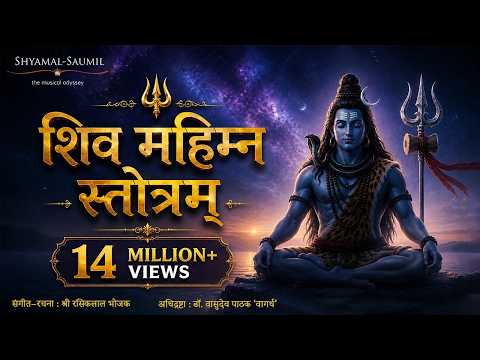
Recitation video
Significance
Shiva Mahimna Stotram Significance
A celebrated hymn on the greatness (mahimna) of Shiva, traditionally ascribed to the Gandharva Pushpadanta, who is said to have composed it to win back Shiva's favour. It praises Shiva as the one goal of all paths and recalls his great deeds; the main witness of W. Norman Brown's critical edition is an inscription of 1063 or 1163 CE at the Amareshvara temple in Mandhata. Verses 1–31 form the hymn proper, and verses 32–43 are the closing and phalashruti verses that the common printed editions add. It is widely recited in Shiva worship, especially on Mondays, in the month of Shravan and on Mahashivaratri.
Keep reading